

Casper & Lisa: The Soul of Our Overland Setup
A classic Land Rover Defender and a vintage Land Yacht Airstream — built for real travel, family life, and the kind of adventure that still feels alive. Practical, iconic, and full of character, this is the setup that carries our story across the road.
Without frills
Our Setup, Our Story
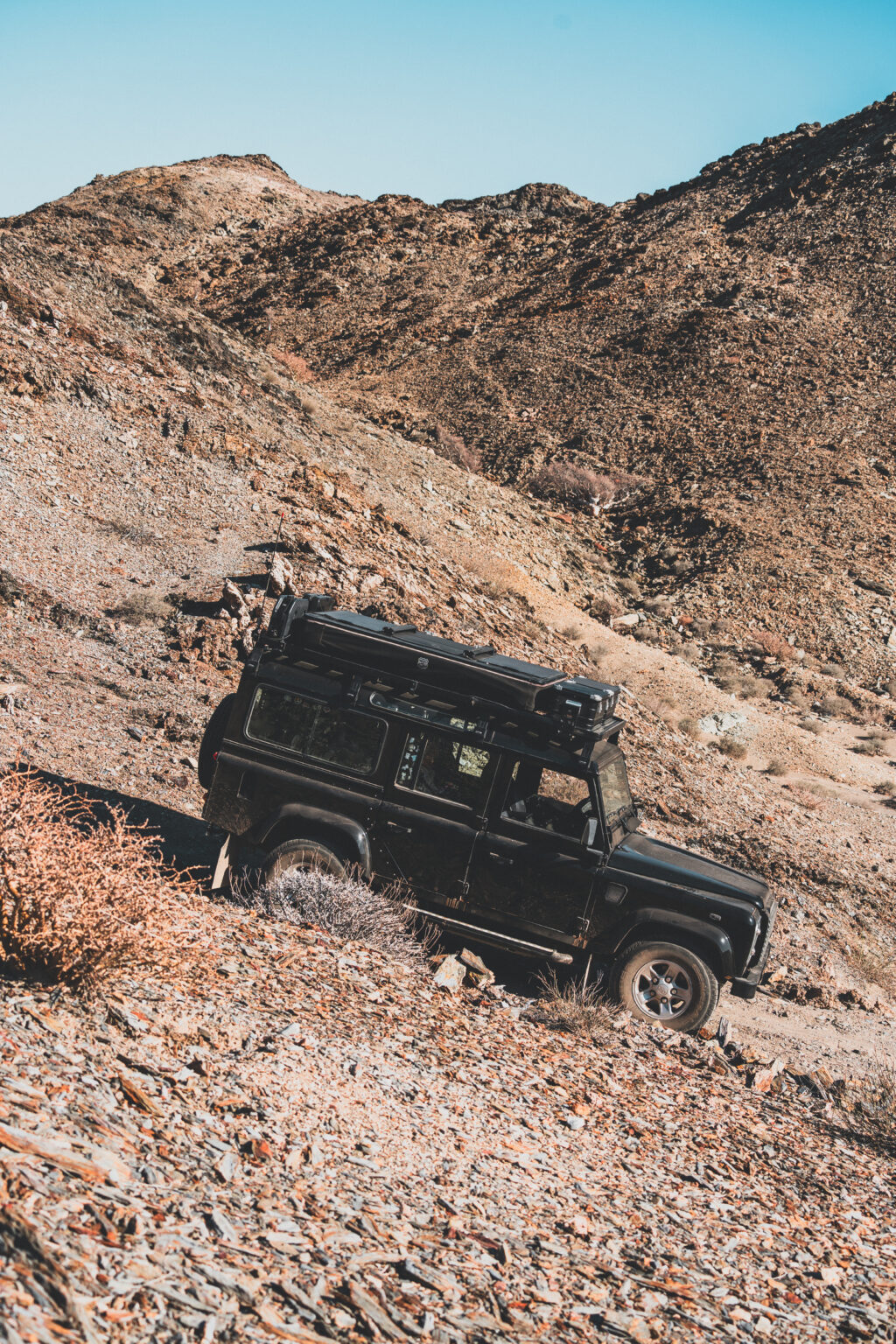
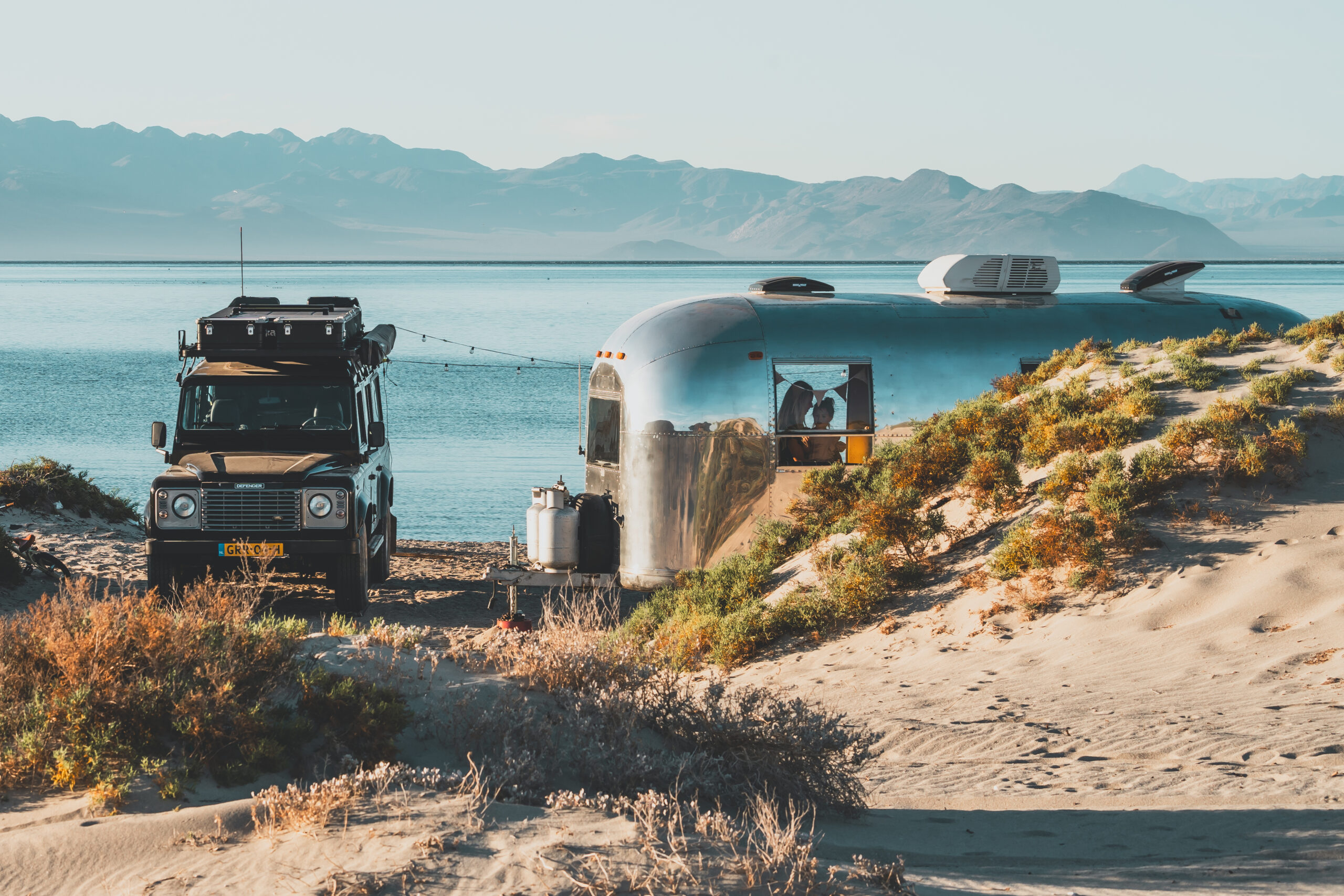
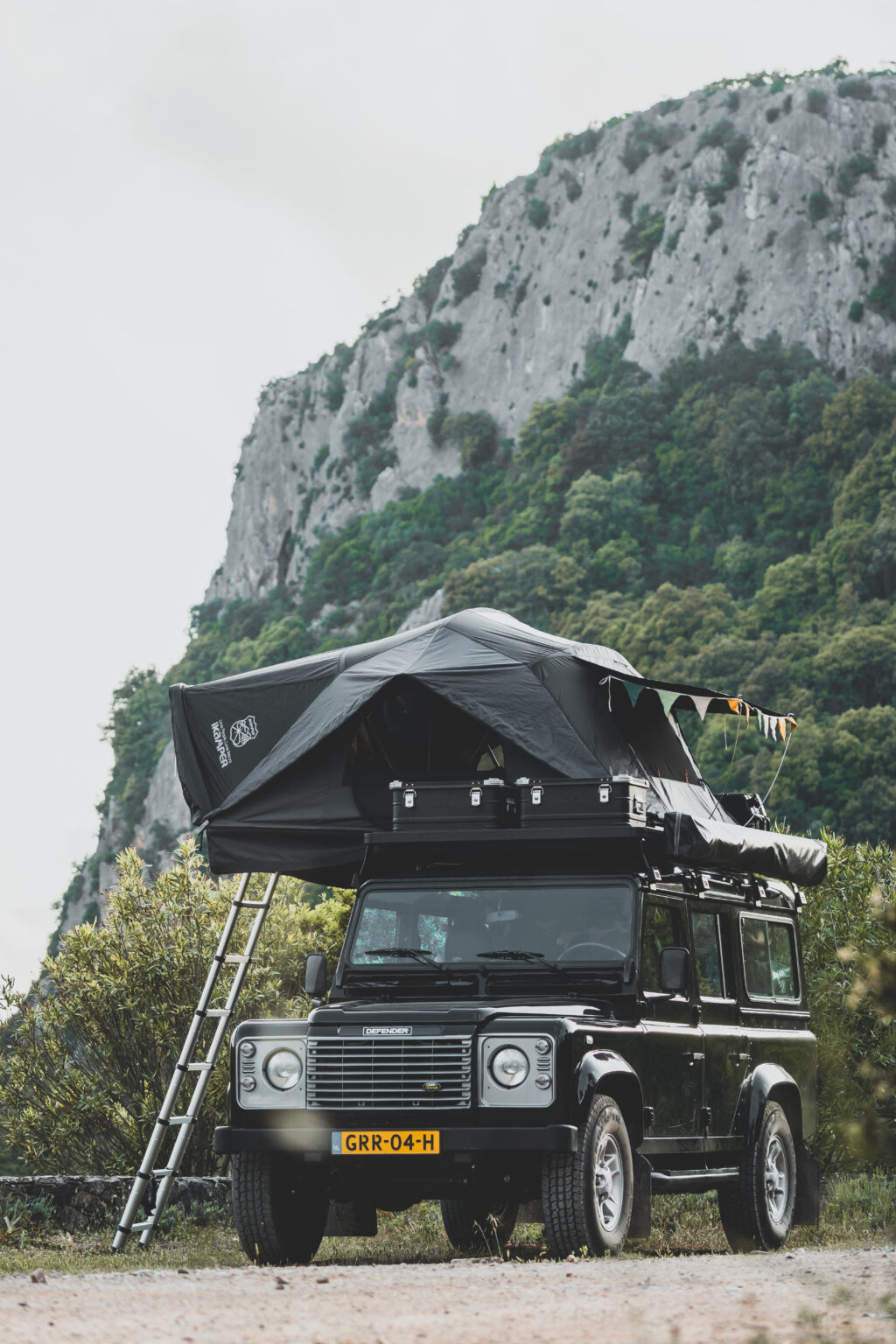
At the center of Little Big Paradise is a setup that reflects how we see travel: Casper, our 2004 Land Rover Defender 110 TD5, and Lisa, our 1967 Airstream Land Yacht Safari. One is purposeful, mechanical, and deeply connected to the road. The other brings warmth, nostalgia, and a timeless kind of comfort that makes a camp feel like more than just a stop for the night.
We did not choose this setup because it was the easiest, the smartest on paper, or the most modern. We chose it because it carries something many newer vehicles and trailers seem to have lost: character. Together, they shape the way we travel as a family, the way we experience the world, and the way we tell stories through Little Big Paradise.
This page is about the thinking behind that choice. Why we built the Defender the way we did, why we kept so much of its original spirit intact, why the Airstream became part of the story, and how this entire setup grew into the one that now carries our family into North America.

Why the Defender
You do not really buy a Defender in the same way you buy most cars. In many ways, you grow into one. Before Casper, we traveled in other builds that each taught us something different — a Land Rover Discovery and a Volkswagen Multivan 4motion, both capable in their own way, both part of the road that eventually led us here.
Those vehicles were good at many things. The Volkswagen made long days easy and comfortable, especially when our children were still very small. The Discovery was almost too capable, smoothing out obstacles with technology and making difficult terrain feel surprisingly effortless. But over time we found ourselves wanting something else: a vehicle that felt more direct, more mechanical, and more alive.
That is what the Defender gave us. It asks more from the driver and gives more back in return. You hear the engine, feel the road, notice the wind, and stay connected to the environment around you. It is noisier, slower, and more demanding than modern comfort would suggest, but that is exactly what gives it its charm. It feels like driving in the fullest sense of the word.
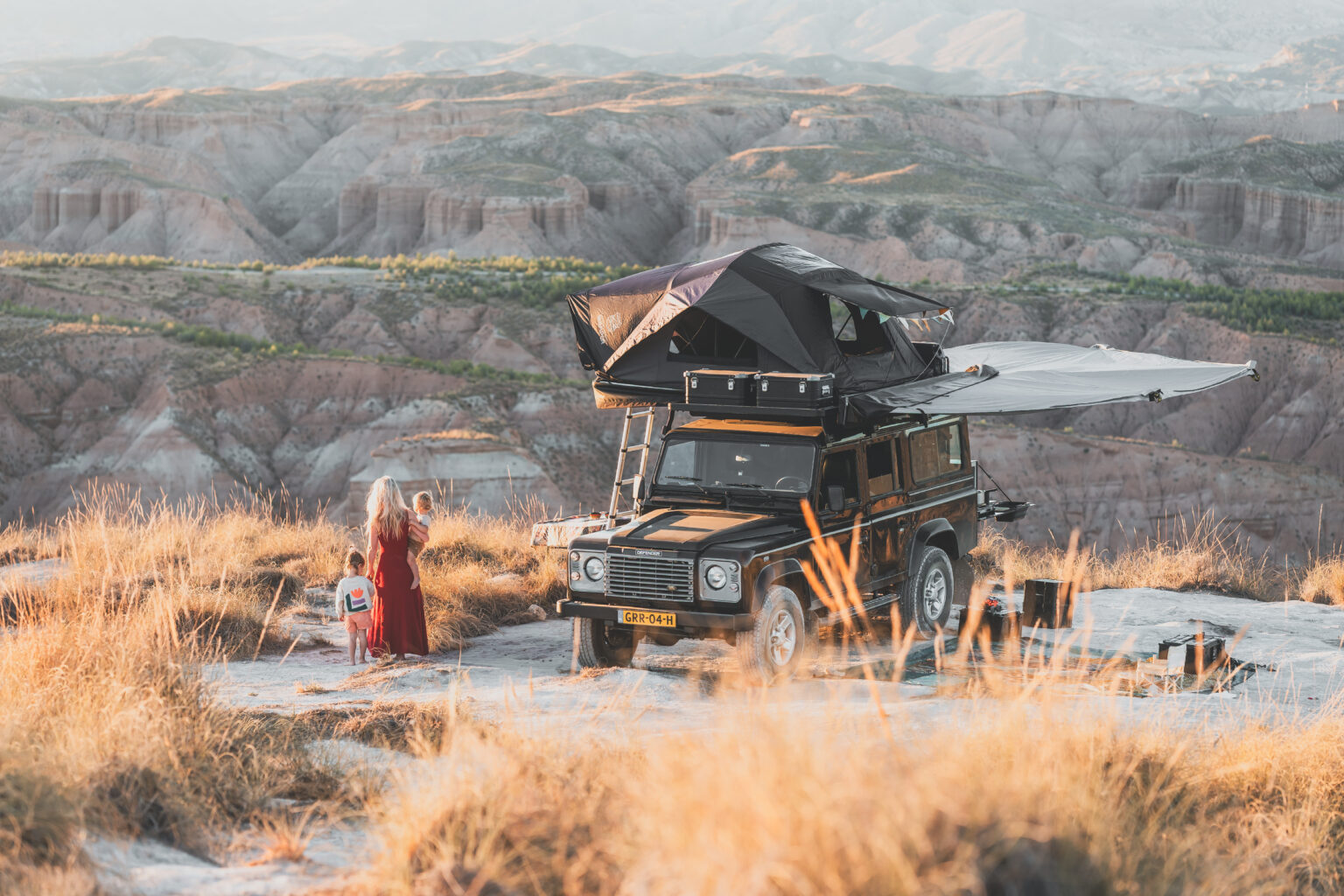
And for the stage of family travel we are in now, that matters. Our children are no longer tucked away in baby seats, disconnected from the world outside. They want to see, feel, and experience the journey too. The Defender suits that shift — less insulated, more present, and more in tune with the places we move through.
The Build Philosophy
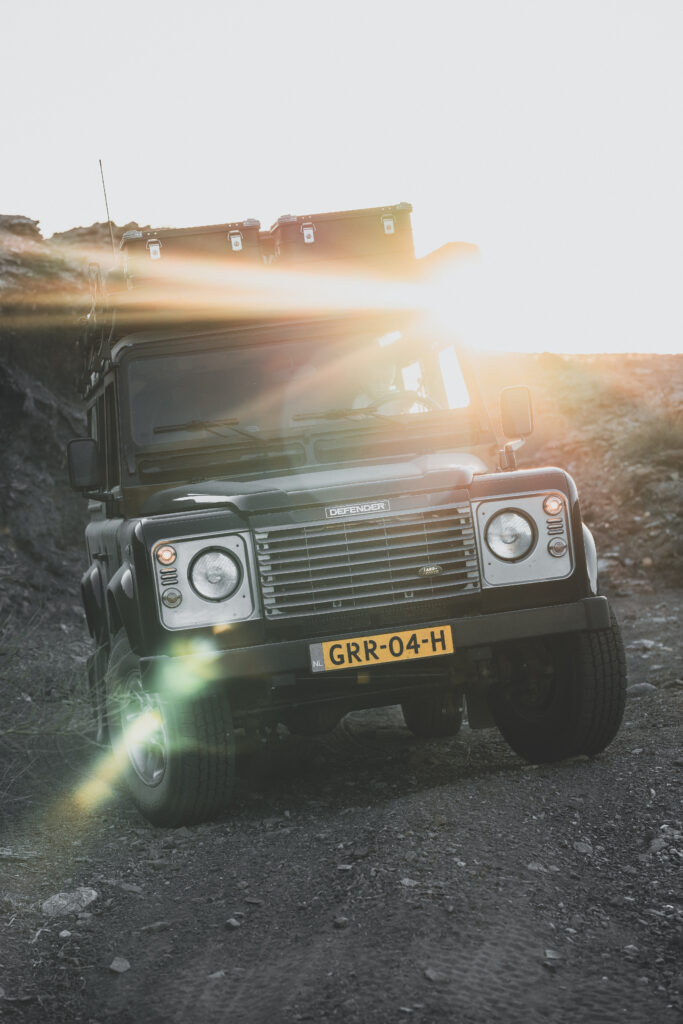
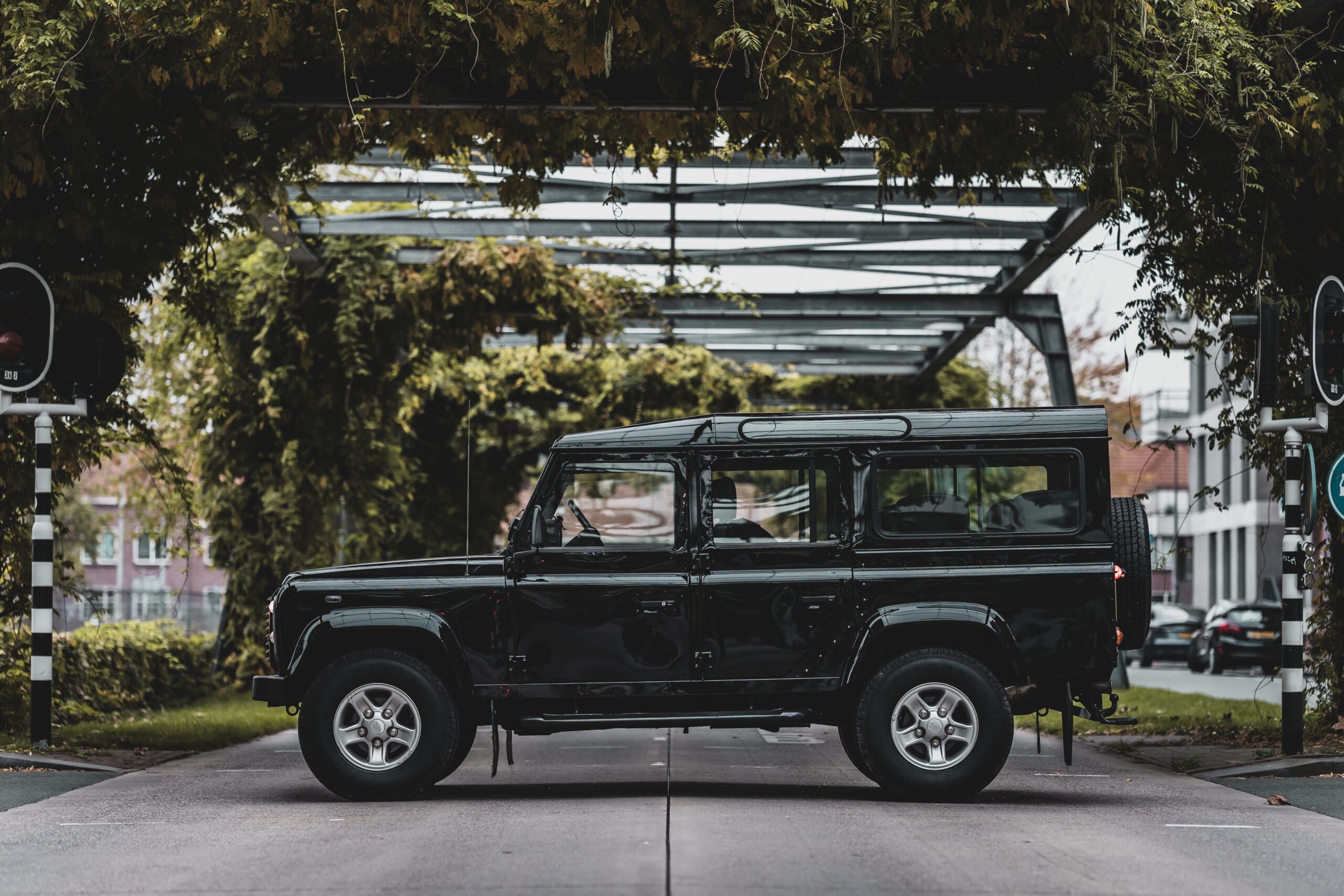
Our Defender build was never meant to become an extreme project. In fact, one of the clearest choices we made was what not to change. We wanted to stay close to the original character of the Defender because so much of its appeal lies in its proportions, simplicity, and unmistakable silhouette.
That meant no oversized wheels, no aggressive lift kits, no flashy LED conversions, and no dashboard clutter. We believe the Defender is already an exceptionally capable platform for overlanding when used with care and realism. For the kind of family travel we do, capability matters more than appearance, and reliability matters more than trends.
That same thinking shaped our choice of tires. Rather than automatically following the most commercial and obvious route, we kept things more classic and closer to the spirit of the vehicle. We are interested in testing what genuinely works for our style of travel, not simply copying the default formula. We do not build for rock crawling or hard mud play. We build for long miles, mixed roads, remote camps, and a setup that still feels balanced and honest.
Inside the cab, we kept the feeling original as well. No strange bolt-on accessories, no overloaded dash, no attempt to modernize the part of the car that gives it identity. We wanted the Defender to remain a Defender.
Learning the vehicle
A big part of building Casper was learning how everything actually works. Not just adding accessories, but understanding the vehicle underneath. That process mattered to us because a TD5 Defender is not a common vehicle in North America, and roadside knowledge or parts familiarity cannot always be taken for granted there.
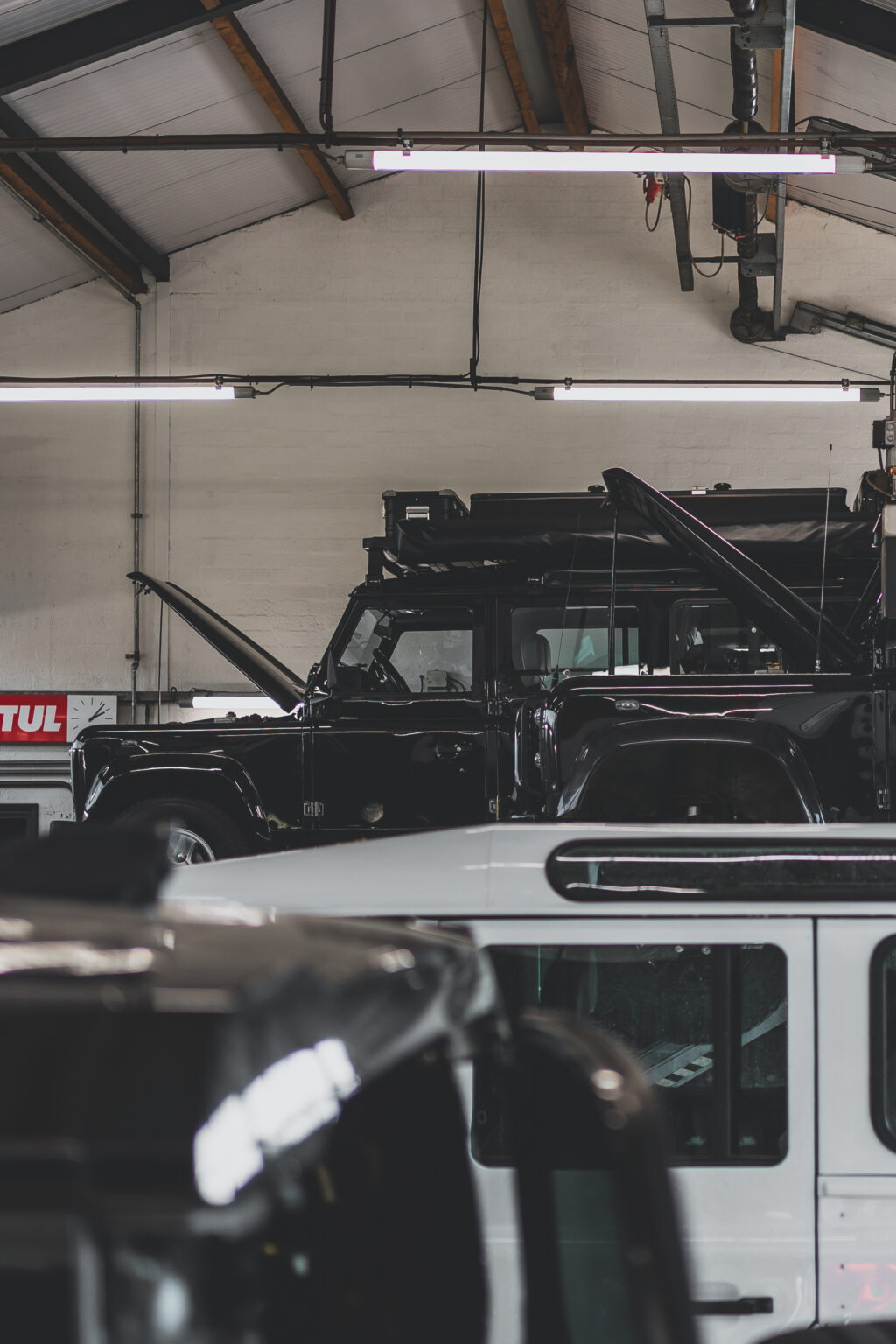
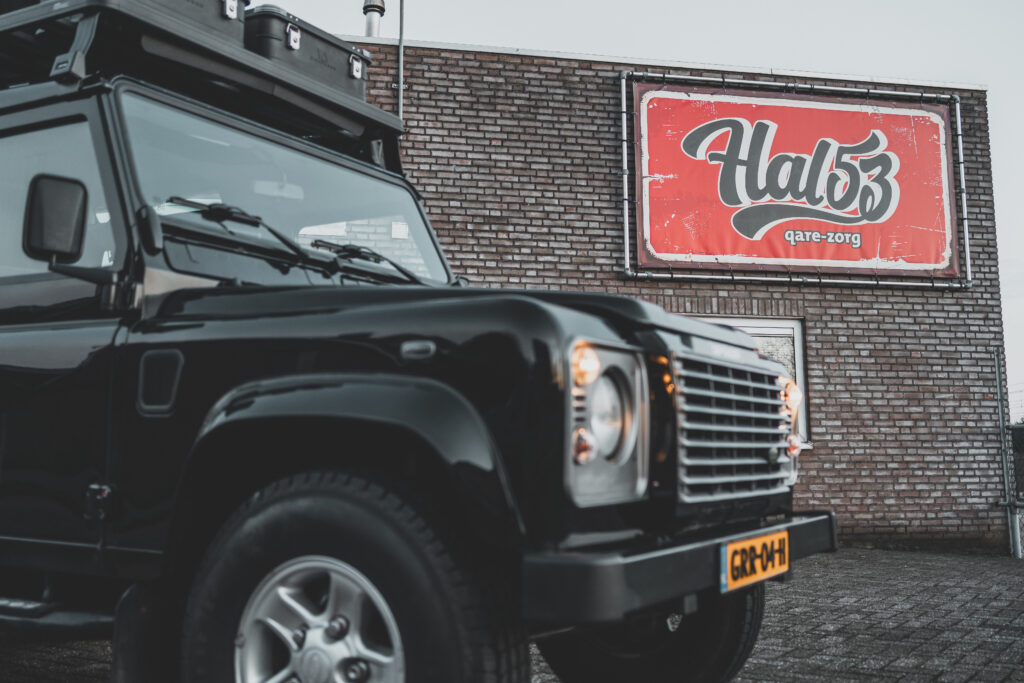
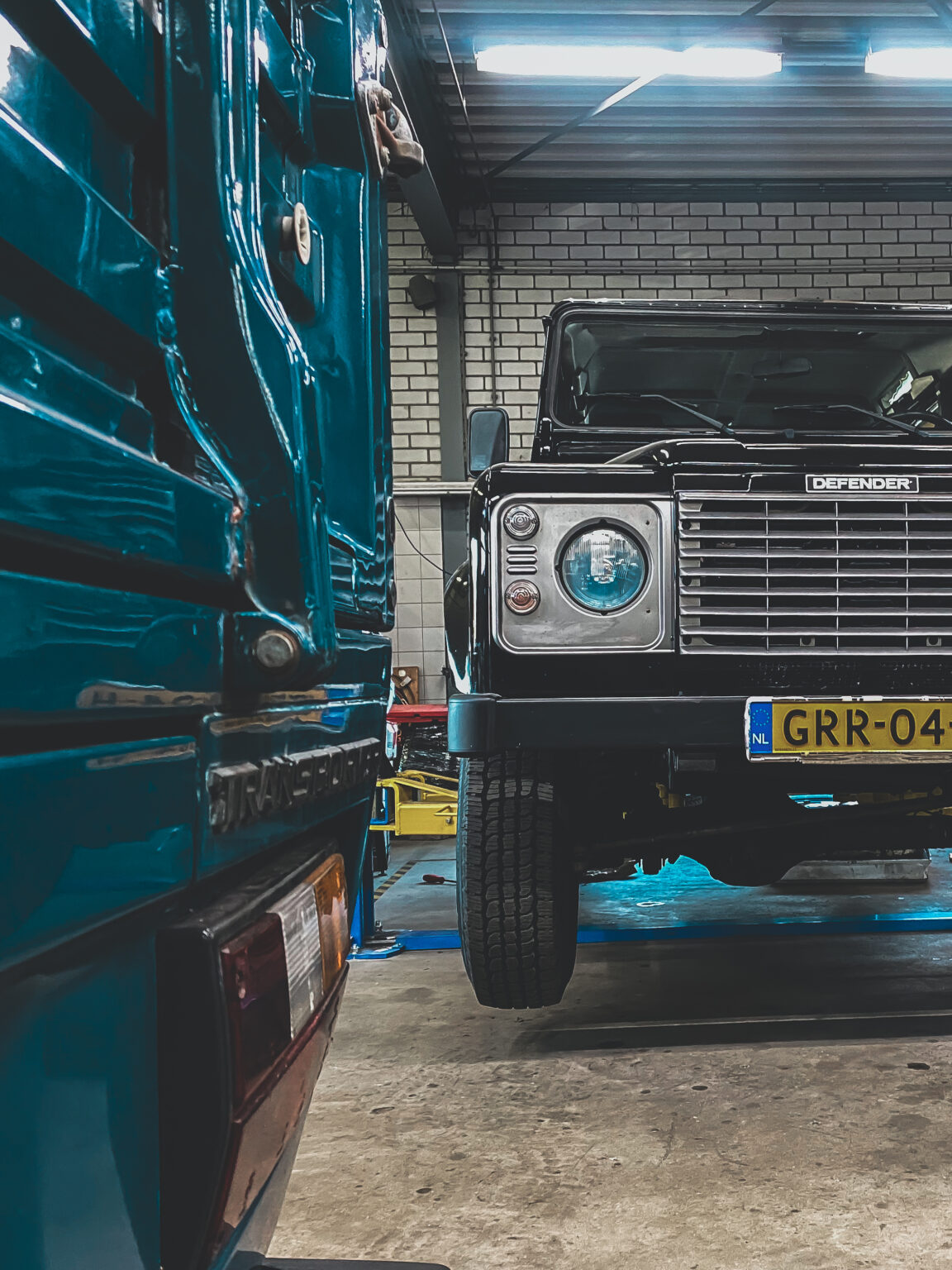
Working in partnership with HAL53 in Deurne, in the Netherlands, we had access to a garage, a lift, and the time to take the Defender apart properly. The driveline, wheel hubs, brakes, seals, and other core mechanical areas were opened up, serviced, and rebuilt where needed. That was not only about preventative maintenance. It was about building practical familiarity, so that if something goes wrong on the road, we are not starting from zero.
What makes that chapter even more meaningful is the spirit of HAL53 itself. It is a place where people who have fallen out of the usual rhythm of society can spend time, work with their hands, and be part of something useful again. So this build was never just technical. It was human too.
For the more specialist engine and drivetrain work, we also worked with an experienced Defender specialist. Some of those choices were less about style and more about preparing the vehicle for the reality of towing, heat, and long-distance travel. Mexico, mountain roads, and a fully loaded overland setup ask different things from a Defender than a Sunday drive in Europe does.
The Upgrades That Mattered
Although we kept the Defender visually restrained, some technical changes were important for how we actually use it. These were not modifications for show. They were changes made with towing, temperature, durability, and self-reliance in mind.
On the vehicle side, that includes a bigger intercooler, improved pipework, an upgraded turbo setup, a mild remap developed after real-world testing, and a gearbox cooler for added confidence under load. Those are the kinds of changes that matter more to us than cosmetic upgrades, because they support reliability where it counts.
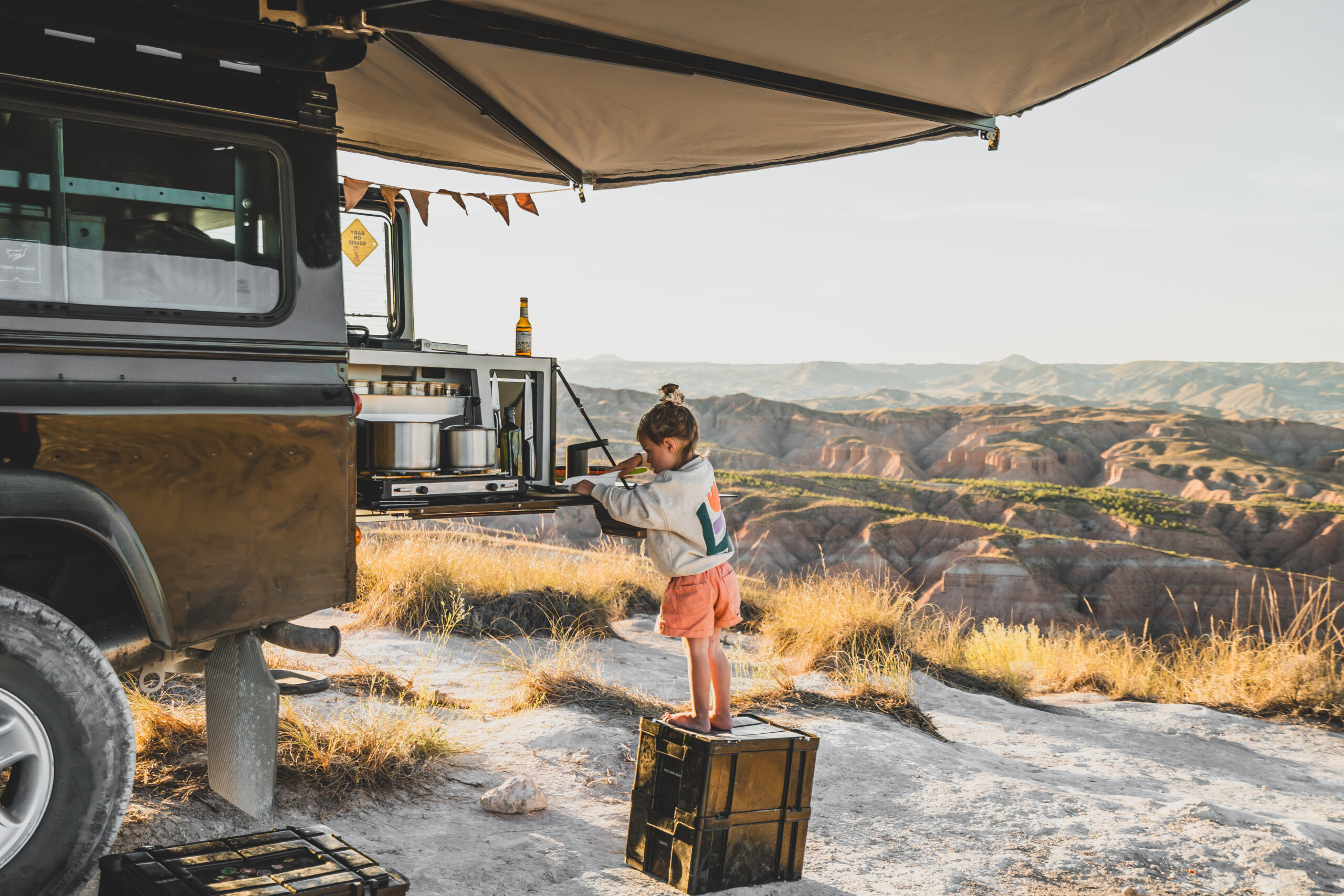
For travel living, the setup grew in practical ways: a slide-out kitchen, fridge and freezer, a second battery system, roof rack, awning, roof tent for four, storage boxes, table, and solar integrated into the rack. It is a capable overland build, but still one that keeps the Defender’s original feel intact rather than burying it under accessories.
We also had to adapt certain systems for North America, including trailer connections, brake controller integration, and the electrical side of towing. Those are the less photogenic parts of a build, but often the ones that decide whether a setup actually works smoothly on another continent.
The Airstream
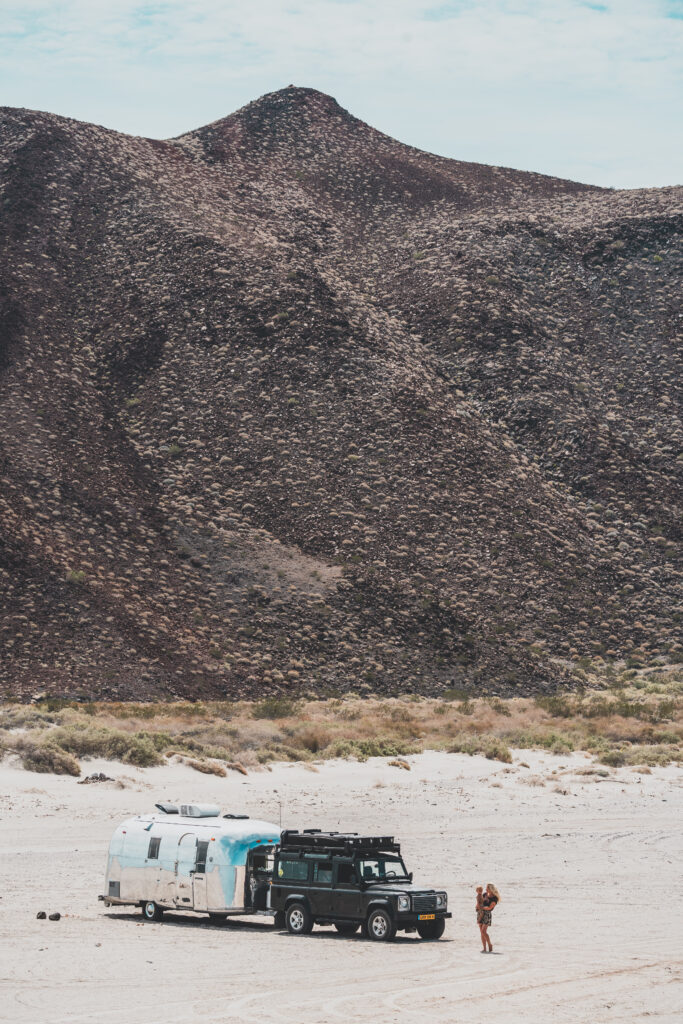
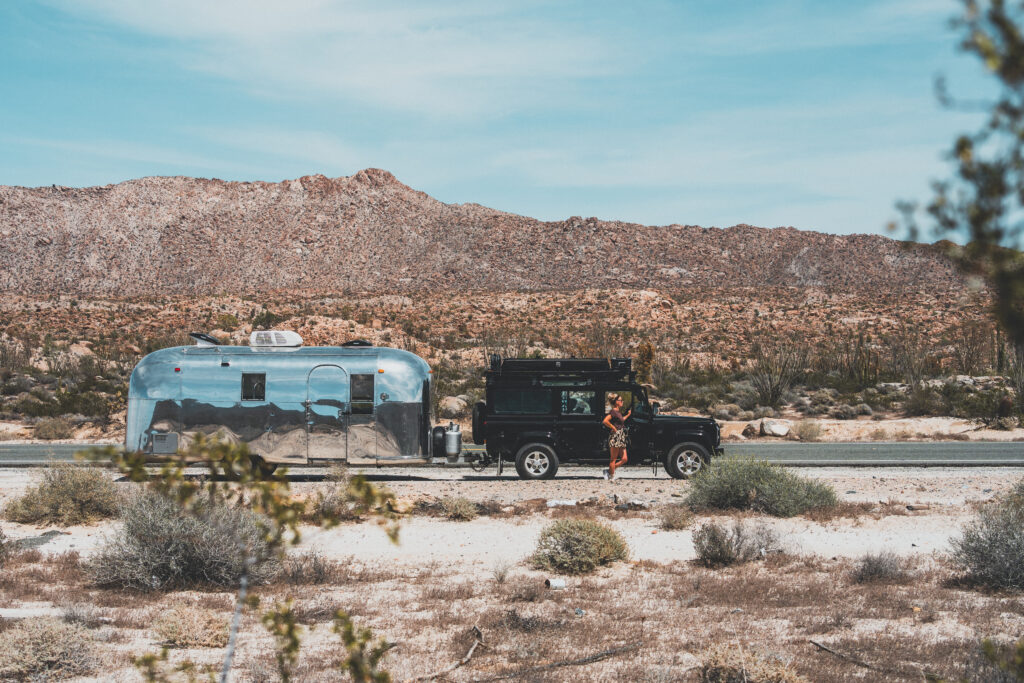
If the Defender is the raw, mechanical half of this setup, the Airstream is the softer and more nostalgic counterpart. It adds an emotional layer to the journey that a more efficient white box trailer never could. There are certainly smarter RVs on paper, but very few bring this much atmosphere, personality, and timeless design.
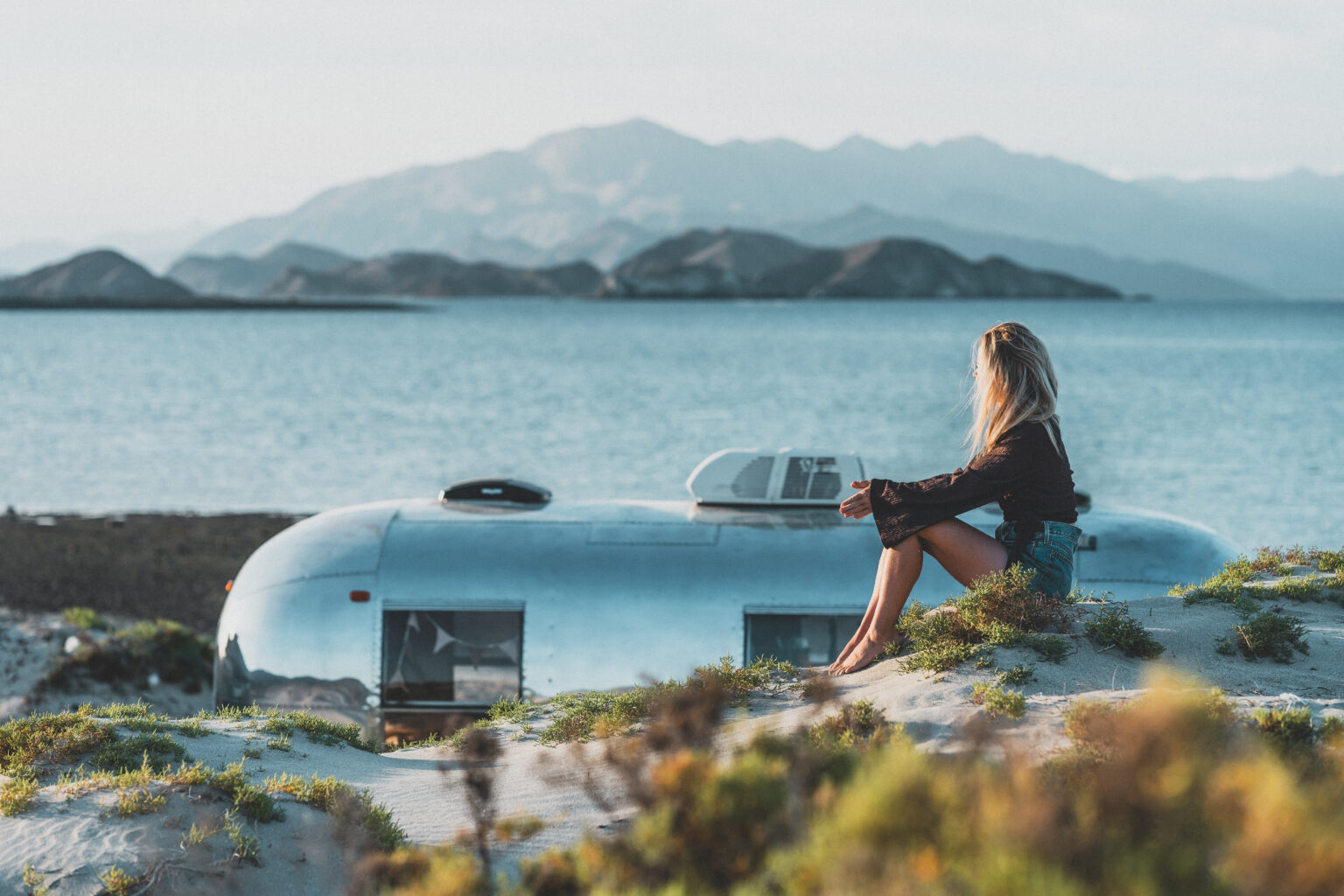
For us, that matters. We are drawn to objects that age with grace and that make travel feel richer rather than just easier. The polished aluminum shell, the curved windows, the classic lines, the old bathroom with its slightly yellow vintage feel, the overhead cabinets that remind us of an old aircraft interior — these are exactly the kinds of details that give the trailer a soul of its own.
We found this 1967 Safari in the United States, partly because Airstreams in Europe are rare, expensive, and often compromised. This one was different. The previous owner had already done a high-level renovation with custom woodwork and a full off-grid setup that would be difficult to improve with a typical DIY rebuild. So rather than forcing a reinvention, we chose to recognize the quality that was already there and make it ours in more subtle ways.
That meant repainting interior elements, bringing our own atmosphere into the space, and re-polishing the exterior skin so it felt fresh, bright, and true to the classic character we love. We also appreciated what had been left intact: the bathtub for the children, the stock bathroom feel, the vintage cabinet lines, and the overall 1960s direction of the trailer.
We deliberately kept certain visual choices clean. For example, we did not want roof-mounted solar to interrupt the classic lines. The goal has always been to keep the Airstream beautiful as well as useful. It is not just accommodation. It is one of the main characters in our story.


Two Icons, One Way of Traveling
The Defender and the Airstream work because they balance each other. One is rugged, exposed, and mechanical. The other is calm, reflective, and almost cinematic in the way it shapes a camp. Together they create a setup that is both practical and emotional, capable and memorable.
That balance reflects how we want to travel as a family. We are not trying to build the most extreme rig, nor the most luxurious one. We are after something that lets us move slowly, live well, and feel deeply connected to the road and the places around us.
For Little Big Paradise, that also matters on a storytelling level. These vehicles are not props. They are part of our identity, part of our visual world, and part of what gives our content its recognisable character.
The Details Most People Don’t See
What people usually notice first is the Defender, the Airstream, the polished aluminum, the roof tent, or the camp setup. What they do not always see are the dozens of practical decisions underneath it all — the paperwork, the regulations, the conversions, the logistics, the money transfers, the sourcing, the shipping, the insurance, and the timing.
That side of overlanding rarely makes it into the glamorous version of the story, but it is often the difference between a smooth journey and a very expensive mistake. Buying a U.S. vehicle as a non-U.S. citizen, registering it correctly, arranging insurance without a local address, navigating payment systems, avoiding scams during the search, shipping a European vehicle overseas, handling port collection, planning around delays, dealing with cross-border paperwork, adapting trailer electrics, brake systems, and towing hardware — these are all details that matter far more than people first expect.
It is also where experience becomes genuinely valuable. Not because the information is impossible to find, but because it is scattered, country-specific, often confusing, and easy to get wrong. We have had to work through those layers ourselves in real life, and that practical side of the journey is now part of what we bring into our travel advice and overland planning support.

Experience Beyond the Photos
This setup tells a story, but it also represents years of trial, research, testing, mistakes, and refinement. From earlier builds in the Discovery and Multivan to real-world test trips through Sardinia, Spain, and Portugal, and now into the larger North America chapter, every part of this setup has been shaped by use rather than theory.
That is what sits behind the advice we offer through Little Big Paradise. Not generic tips collected online, but lived experience across vehicle builds, family travel, remote camps, and the many practical hurdles that come with turning a dream setup into something that actually works. For people planning their own route, build, or cross-border overland adventure, those hidden details are often where the best decisions are made.
Planning Something Similar?
If you are dreaming about a setup of your own, the visible parts are only half the story. The right vehicle, the right trailer, the right preparation, and the right logistics can shape the entire experience long before the first mile is driven.
Through our travel advice and overland planning support, we help people think through those decisions with a real-world perspective — from route ideas and family travel practicality to setup choices, sourcing, and the details that are easy to overlook.